
Course Category: Recorded Webinars
-
Introduction to Expressive Arts Therapies (3HR) Presented by Dreya Blume, LCSW

Introduction to Expressive Arts Therapies (3HR) Journaling. Poetry. Movement. Art making. Storytelling. Creating music. Sculpting. Role play. This is just a sampling of the many creative ways therapists can use artistic self-expression for healing and personal growth. In this training, we will discuss the varied nature of expressive arts therapies in depth, examining a large […]
-
Attachment Theories: The Link to Client Interpersonal Issues (1.5HR) Presented by Dreya Blume, LCSW
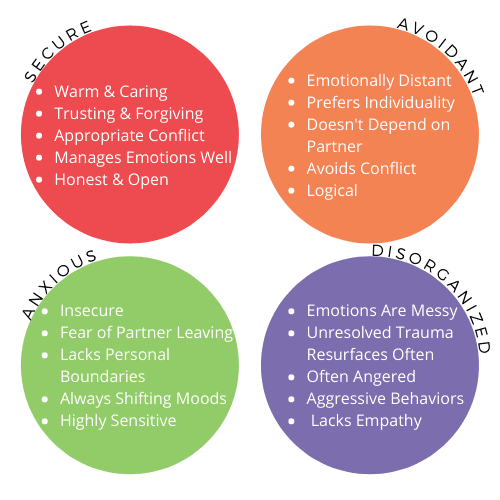
Attachment Theories: The Link to Client Interpersonal Issues (1.5HR) An individual’s attachment style develops in early childhood and continues throughout the lifespan as a working model for the relationships that we may be established in the future. Such attachment style influences how we maintain a relationship because often, it is what impacts the way we […]
-
GET A GRIP: Mastering Emotions Using EBT Strategies to Manage Anger and Stress (1.5HR) Presented by Dr. Paul Hardy, D. Min, CSAC, NMAC
GET A GRIP: Mastering Emotions Using EBT Strategies to Manage Anger and Stress (1.5HR) Some 84% of people surveyed said Americans are angrier today compared with a generation ago, according to the latest NPR-IBM Watson Health poll. (https://npr.org) In this webinar, we will explore ways to break down barriers and help clients open up about […]
-
Let's talk about the F-word: Working with fat bodies in therapy (2HR) Presented by Stacy Blankenship, LCSW

Let’s talk about the F-word: Working with fat bodies in therapy (2HR) As clinicians we have been working hard to combat hidden biases and stigma that impact clients, but how often do we consider body size to be a factor in how we interact with clientele? Yet, studies show that fatphobia has a huge impact […]
-
Interventions for Family and Child Therapy: Using Stories and Children’s Therapy Books (3HR) Presented by Leo DeBroeck MS, LMHC, CMHS, MHP

Interventions for Family and Child Therapy: Using Stories and Children’s Therapy Books (3HR) Families face considerable and unique challenges such as addiction, domestic violence, trauma, grief, community violence, and economic struggles. Unique challenges require tailored interventions that children’s therapy books can offer to meet the needs of the family and children. Because of this, areas […]
-
Telehealth: Ethical Dilemmas and Solutions (1.5HR) Presented by Dreya Blume, LCSW
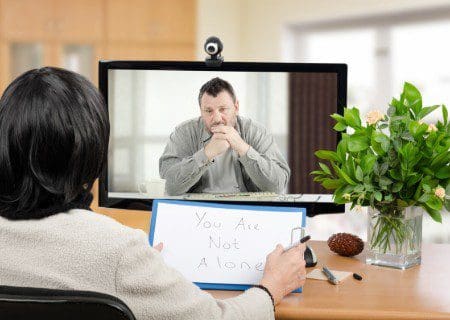
Telehealth: Ethical Dilemmas and Solutions (1.5HR) Telehealth technology allowed clinicians to carry on serving their clients during the dark times of the COVID pandemic and has become an integral part of the mental health landscape of today. At the same time, the practice of telehealth raises a host of ethical, legal and clinical challenges. In […]
-
Developing Cultural Competence in the Latino Community (1.5HR) Presented by Dreya Blume, LCSW

Developing Cultural Competence in the Latino Community (1.5HR) As clinicians, we must use clinical approaches that are compatible with our clients’ cultural values and beliefs. In this training, we will focus on best practices for working with Latino communities, a client population that continues to grow, yet is often underserved. You will learn about the […]
-
Not My Child: Teaching Evidence Based Strategies to Families of Addicted Youth (2HR) Presented by Dr. Paul Hardy, D. Min, CSAC, NMAC
Not My Child: Teaching Evidence Based Strategies to Families of Addicted Youth (2HR) Drug use went up among 8th graders between 2016 and 2020 – 61%. 62% of teenagers in 12th grade have abused alcohol. 50% of teenagers have misused a drug at least once. Families are at a loss for what to do with […]
-
Chronic Pain Management: Non Pharmaceutical Interventions (1.5HR) Presented by Dreya Blume, LCSW

Chronic Pain Management: Non Pharmaceutical Interventions (1.5HR) Chronic pain impacts every area of a person’s life, both physically and well as emotionally. In this training, you will learn how to best serve clients who are engaged in this struggle. We will explore a variety of drug-free psychological strategies to manage pain so that clients can […]
-
Inner Child Work and Repairing Self Using Internal Family Systems Therapy (3HR) Presented by Ashley Esry, LCSW, LCAS
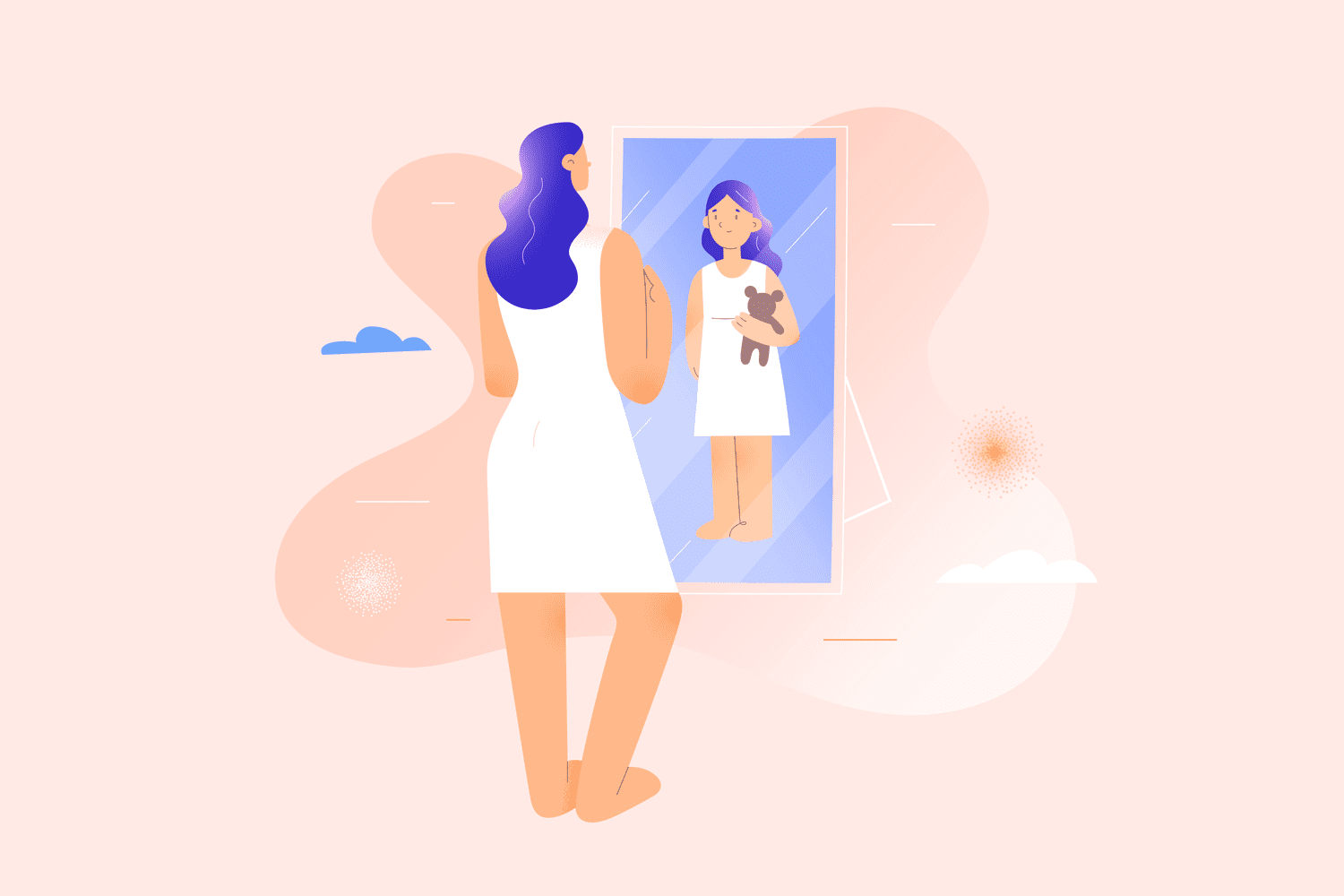
Inner Child Work and Repairing Self Using Internal Family Systems Therapy (3HR) In this webinar, we will learn about Internal Family Systems, a therapeutic model developed by Dr. Richard Schwartz. This modality believes that we all have various ‘parts’ of us that makeup who we are- and often these parts of younger versions of ourselves. […]