
Course Category: Recorded Webinars
-
Mind-Body-Spirit: Evidence-Based Practices to Teach Your Client for Managing Anxiety (3HR) Presented by Dreya Blume, LCSW
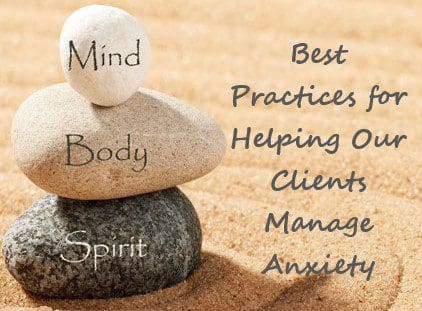
Mind-Body-Spirit: Evidence-Based Practices to Teach Your Client for Managing Anxiety (3HR) Many clients struggle with debilitating anxiety disorders. Medications can help but come with potential side effects. So what options are available before going the pharmaceutical route? Actually, there are a great number of them! In this workshop, you will learn a wide range of […]
-
Waves of Grace Part 2: Guiding Clients Through Prolonged Grief Disorder (2HR) Presented by Dr. Paul Hardy, D. Min, CSAC, NMAC

Waves of Grace Part 2: Guiding Clients Through Prolonged Grief Disorder (2HR) We will all lose someone we love at some point in our life (most of us at many points) and the loss can often hit us harder than we expect. This loss can become complicated and prolonged, lasting for years. So, this session […]
-
Waves of Grace Part 1: Helping Clients Manage Prolonged Grief Disorder (2HR) Presented by Dr. Paul Hardy, D. Min, CSAC, NMAC

Waves of Grace Part 1: Helping Clients Manage Prolonged Grief Disorder (2HR) Grief is a natural response to the loss of a loved one. For most people, the symptoms of grief begin to decrease over time. However, for some people, the feeling of intense grief persists, and the symptoms are severe enough to cause problems […]
-
Therapeutic Journaling: The Healing Power of the Written Word (1.5HR) Presented by Dreya Blume, LCSW

Therapeutic Journaling: The Healing Power of the Written Word (1.5HR) This training provides an overview of expressive writing and its many benefits for clients. We will explore how to introduce journaling to clients and how to structure writing activities. There will be plenty of experiential activities, so be sure to have your favorite journal on […]
-
Using Narrative Therapy in Client Work (3HR) Presented by Dreya Blume, LCSW
Using Narrative Therapy in Client Work (3HR) Narrative therapy is a powerful modality that helps our clients identify and reinterpret the stories that shape their lives. In doing so, clients can begin to see their struggles from a more empowering perspective. In this workshop, we will explore the foundations of narrative therapy and how it […]
-
Illicit Drug Use: Do You Know What Your Client Is Talking About? (1.5HR) Presented by Shannon McCabe, MA, LCAS

Illicit Drug Use: Do You Know What Your Client Is Talking About? (1.5HR) How can we effectively work with our SUD clients if we don’t know what they are talking about in terms of the substances that they are using? In this course, we are going to discuss multiple facets of illicit drug use. We […]
-
Motivational Interviewing Part 2 (1.5HR) Presented by Dreya Blume, LCSW
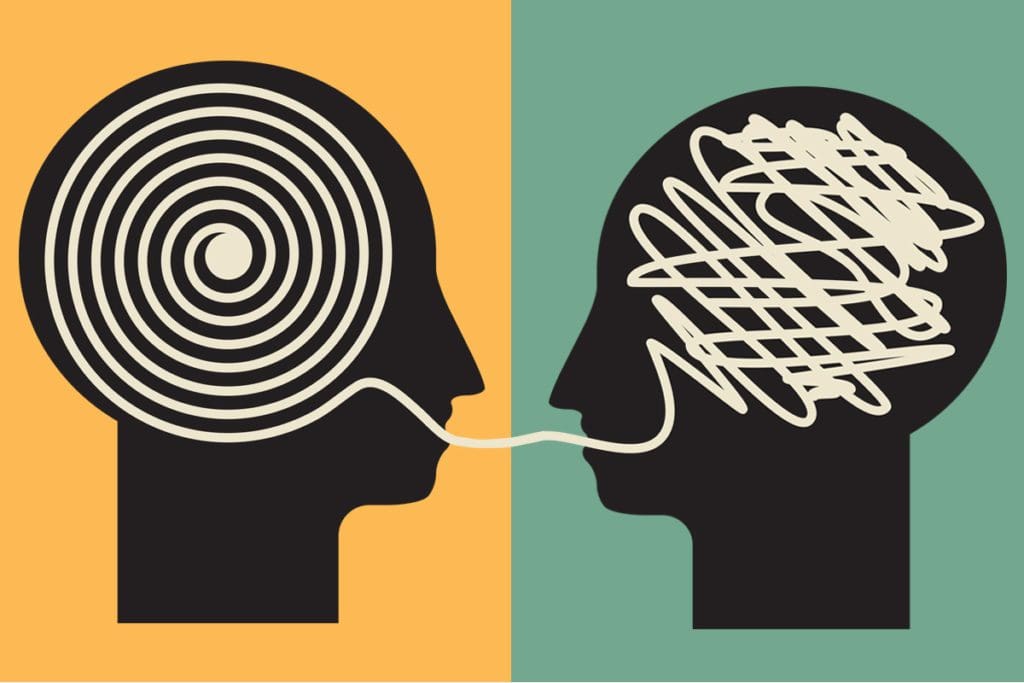
Motivational Interviewing Part 2 (1.5HR) In this course on Motivational Interviewing (MI) Part 2, the facilitator will begin by providing a brief review of Motivational Interviewing Part 1 and the purpose behind its design and implementation. This presentation builds on MI Part 1 by shifting from changing unwanted behaviors to changing unproductive behaviors. Upon completion […]
-
Motivational Interviewing Part 1 (1.5HR) Presented by Dreya Blume, LCSW
Motivational Interviewing Part 1 (1.5HR) In this course on Motivational Interviewing (MI) Part 1, the facilitator will begin by providing an overview of what Motivational Interviewing is, the purpose behind its design and implementation, and will conclude with an explanation of the four elements of Motivational Interviewing “spirit”: Acceptance, Collaboration, Evocation, and Compassion. Participants will […]
-
Using Methods and Models of Treatment for Trauma and PTSD
Using Methods and Models of Treatment for Trauma and PTSD (3HR) For both clinicians and their clients, there is tremendous value in understanding the psychophysiology of trauma and knowing what to do about its manifestations. This training seeks to illuminate the physiology of trauma, shining a bright light on the impact of trauma on the […]
-
Understanding Trauma: Based on the Book "The Body Keeps the Score" (1.5HR) Presented by Shannon McCabe, MA, LCAS

Understanding Trauma: Based on the Book “The Body Keeps the Score” (1.5HR) According to Bessel Van Der Kolk, author of The Body Keeps The Score, “while we want to move beyond trauma, the part of our brain that is devoted to ensuring our survival (deep below our rational brain) is not very good at denial… […]