-
Interventions for Family and Child Therapy: Using Stories and Children’s Therapy Books (3HR) Presented by Leo DeBroeck MS, LMHC, CMHS, MHP

Interventions for Family and Child Therapy: Using Stories and Children’s Therapy Books (3HR) Families face considerable and unique challenges such as addiction, domestic violence, trauma, grief, community violence, and economic struggles. Unique challenges require tailored interventions that children’s therapy books can offer to meet the needs of the family and children. Because of this, areas […]
-
Telehealth: Ethical Dilemmas and Solutions (1.5HR) Presented by Dreya Blume, LCSW
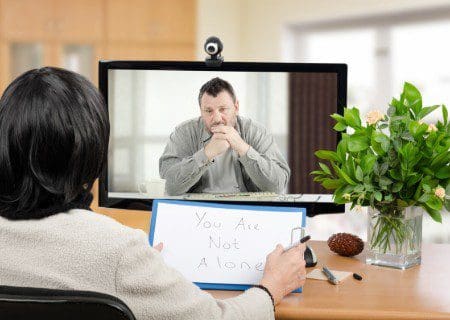
Telehealth: Ethical Dilemmas and Solutions (1.5HR) Telehealth technology allowed clinicians to carry on serving their clients during the dark times of the COVID pandemic and has become an integral part of the mental health landscape of today. At the same time, the practice of telehealth raises a host of ethical, legal and clinical challenges. In […]
-
Developing Cultural Competence in the Latino Community (1.5HR) Presented by Dreya Blume, LCSW

Developing Cultural Competence in the Latino Community (1.5HR) As clinicians, we must use clinical approaches that are compatible with our clients’ cultural values and beliefs. In this training, we will focus on best practices for working with Latino communities, a client population that continues to grow, yet is often underserved. You will learn about the […]
-
Not My Child: Teaching Evidence Based Strategies to Families of Addicted Youth (2HR) Presented by Dr. Paul Hardy, D. Min, CSAC, NMAC
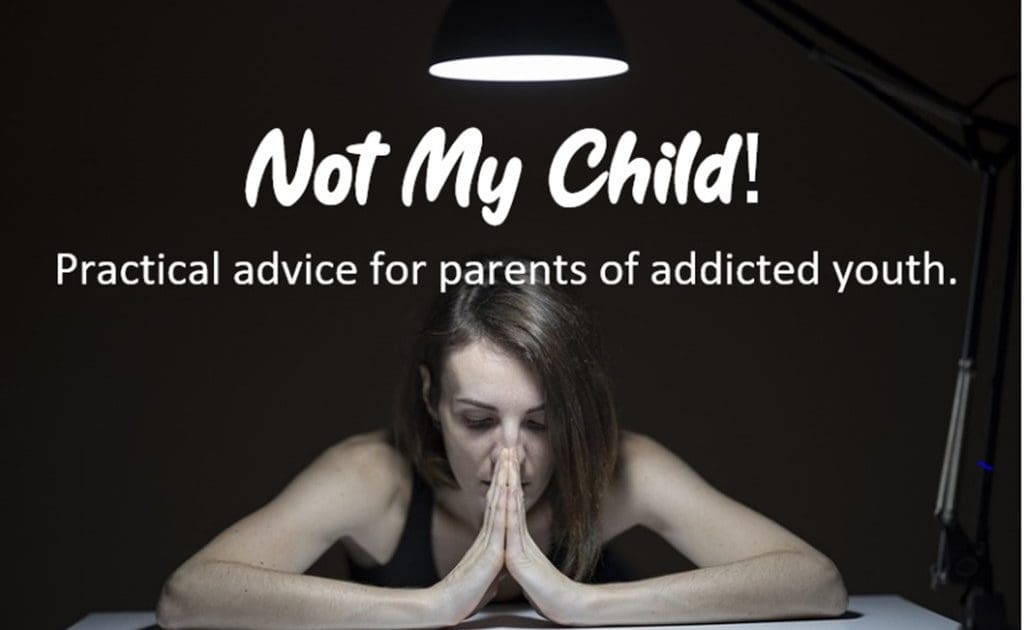
Not My Child: Teaching Evidence Based Strategies to Families of Addicted Youth (2HR) Drug use went up among 8th graders between 2016 and 2020 – 61%. 62% of teenagers in 12th grade have abused alcohol. 50% of teenagers have misused a drug at least once. Families are at a loss for what to do with […]
-
Chronic Pain Management: Non Pharmaceutical Interventions (1.5HR) Presented by Dreya Blume, LCSW

Chronic Pain Management: Non Pharmaceutical Interventions (1.5HR) Chronic pain impacts every area of a person’s life, both physically and well as emotionally. In this training, you will learn how to best serve clients who are engaged in this struggle. We will explore a variety of drug-free psychological strategies to manage pain so that clients can […]
-
Inner Child Work and Repairing Self Using Internal Family Systems Therapy (3HR) Presented by Ashley Esry, LCSW, LCAS

Inner Child Work and Repairing Self Using Internal Family Systems Therapy (3HR) In this webinar, we will learn about Internal Family Systems, a therapeutic model developed by Dr. Richard Schwartz. This modality believes that we all have various ‘parts’ of us that makeup who we are- and often these parts of younger versions of ourselves. […]
-
Mind-Body-Spirit: Evidence-Based Practices to Teach Your Client for Managing Anxiety (3HR) Presented by Dreya Blume, LCSW
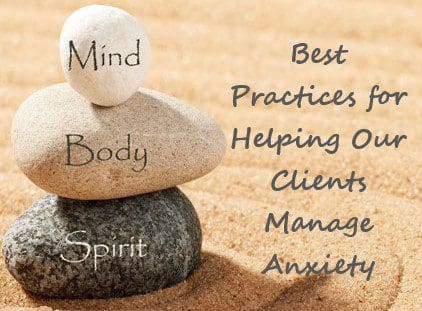
Mind-Body-Spirit: Evidence-Based Practices to Teach Your Client for Managing Anxiety (3HR) Many clients struggle with debilitating anxiety disorders. Medications can help but come with potential side effects. So what options are available before going the pharmaceutical route? Actually, there are a great number of them! In this workshop, you will learn a wide range of […]
-
Waves of Grace Part 2: Guiding Clients Through Prolonged Grief Disorder (2HR) Presented by Dr. Paul Hardy, D. Min, CSAC, NMAC

Waves of Grace Part 2: Guiding Clients Through Prolonged Grief Disorder (2HR) We will all lose someone we love at some point in our life (most of us at many points) and the loss can often hit us harder than we expect. This loss can become complicated and prolonged, lasting for years. So, this session […]
-
Waves of Grace Part 1: Helping Clients Manage Prolonged Grief Disorder (2HR) Presented by Dr. Paul Hardy, D. Min, CSAC, NMAC

Waves of Grace Part 1: Helping Clients Manage Prolonged Grief Disorder (2HR) Grief is a natural response to the loss of a loved one. For most people, the symptoms of grief begin to decrease over time. However, for some people, the feeling of intense grief persists, and the symptoms are severe enough to cause problems […]
-
Therapeutic Journaling: The Healing Power of the Written Word (1.5HR) Presented by Dreya Blume, LCSW

Therapeutic Journaling: The Healing Power of the Written Word (1.5HR) This training provides an overview of expressive writing and its many benefits for clients. We will explore how to introduce journaling to clients and how to structure writing activities. There will be plenty of experiential activities, so be sure to have your favorite journal on […]
