

The Use of Control Mastery Theory in the Treatment of Personality Disorders (3HR) Presented by Dr. Jillian Graves, MSW, LCSW, Ph.D.
Personality disorders are often conceptualized as enduring patterns of maladaptive behavior and interpersonal dysfunction, yet emerging integrative approaches highlight the role of early trauma, attachment disruptions, and deeply held beliefs about safety, relationships, and self-worth. Control-Mastery Theory (CMT), a trauma-informed psychodynamic framework, offers a clinically accessible model for understanding personality pathology as an adaptive response to early relational injury rather than fixed character deficits.
This training introduces Control-Mastery Theory as an integrative framework for treating personality disorders across clinical settings. Participants will explore how pathogenic beliefs—formed in response to trauma, neglect, or inconsistent caregiving—shape emotional dysregulation, relational patterns, and treatment resistance. The course emphasizes how clients unconsciously “test” therapists to determine whether new, healthier relational experiences are possible, and how clinicians can respond in ways that promote psychological safety and change. Emphasis will be placed on recognizing tests, supporting patient agency, and helping clients relinquish pathogenic beliefs while maintaining an empathic, collaborative therapeutic relationship.
Upon completion of this training, participants will be able to:
- Describe the core principles of Control-Mastery Theory, including the development of pathogenic beliefs, unconscious testing, and the role of the therapeutic relationship in psychological change.
- Apply Control-Mastery Theory to the assessment and treatment of personality disorders, integrating CMT concepts with existing therapeutic approaches such as CBT, ACT, DBT, and trauma-informed care.
- Identify and respond effectively to patient “tests” in therapy, using interventions that foster safety, challenge pathogenic beliefs, and support emotional regulation and relational growth
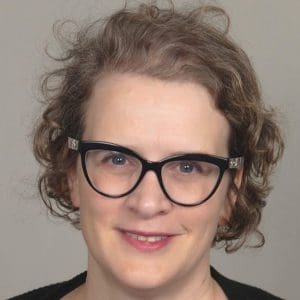 Jillian Graves, LCSW, Ph.D. is an associate professor at Eastern Michigan University in the School of Social Work. Her scholarly work has focused on the experiences of family caregivers, especially siblings, in adolescent and emerging adult development, in reflexivity in qualitative research methodology, and in trauma-reactive violence. Her most recent research has been on the impact of COVID-19 on retail workers’ mental health and the use of relational coordination as a mitigating factor. She is currently the co-director of the IPE Center in the College of Health and Human Services.
