Balancing the Load: Practical Caseload Management for Behavioral-Health Clinicians (1.5HR)
The first part of the 3-part series is focused on assessment. ADHD is more than a checklist; it is a layered, evolving condition that requires curiosity, insight, and a sharp clinical eye. This lively, hands-on session dives into the latest updates in the DSM-5-TR and explores the hidden challenges that often complicate diagnosis and treatment across the life span. In Part 1 of this 3-part series, we will focus on assessment and the updated diagnostic criteria, navigate the gray areas of differential diagnosis, and sharpen your assessment skills using real-world case studies and multi-source strategies.
Upon completion of this training, participants will be able to:
- Describe updated DSM-5-TR criteria for ADHD and differentiate it from overlapping conditions.
- Identify overlooked ADHD features and discuss the value of a neurodiversity-informed approach.
- Summarize key intervention strategies and recognize next steps for developing individualized treatment plans.
Social workers completing this course receive 1.5 Clinical asynchronous continuing education credits.
For other board approvals, this course qualifies for 1.5 hours of Clinical continuing education training.
Course Instructor: Shelby Czarnick, LICSW, ADHD-CCSP
Recording Date: 09/08/2025
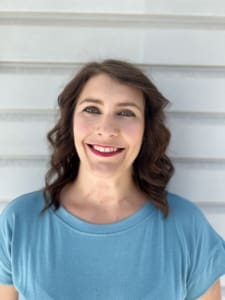 Shelby Czarnick, LICSW, ADHD-CCSP is a respected clinical social worker, certified ADHD professional, program developer, and visionary leader. As founder of Essential Life Tools LLC, she has transformed mental health and leadership development with innovative, results-driven strategies. In therapy, Shelby helps clients shift weaknesses into strengths in under ten minutes. Her approach fosters deep trust, allowing clients to process and heal from unspoken traumas—often in their first session. She additionally enjoys creating focus and love of differences within the neurodivergent population. Beyond therapy, she builds high-performing teams and programs. Within a month, she has successfully developed professional teams through strategic planning, self-care initiatives, and structured growth opportunities. Her ability to optimize environments for staff and clients, particularly neurodivergent individuals, has made a lasting impact across at least four behavioral health programs and an oncology navigation program. As an expert and parent, Shelby understands firsthand the complexities of raising and supporting individuals with diverse neurological needs. This insight fuels her next endeavor: creating a retreat clinic and center specifically designed for neurodivergent individuals. She envisions a world where “you can’t” is replaced with “you can,” ensuring all individuals thrive.